Local North Vancouver Roofer for Roof Inspections and Maintenance
The Benefits of Choosing Flat Roofing for Your Property
Flat roofing serves as a practical alternative for numerous property owners. Its design permits for resourceful use of materials and room. Reduced fees and care requirements upfront make it progressively desirable. Furthermore, flat roofs can enhance thermal performance and sustainability. However, false beliefs often hinder their benefits. Grasping these factors can help residents make well-informed determinations about their roof choices. What positive outcomes might flat roofing offer to your property?
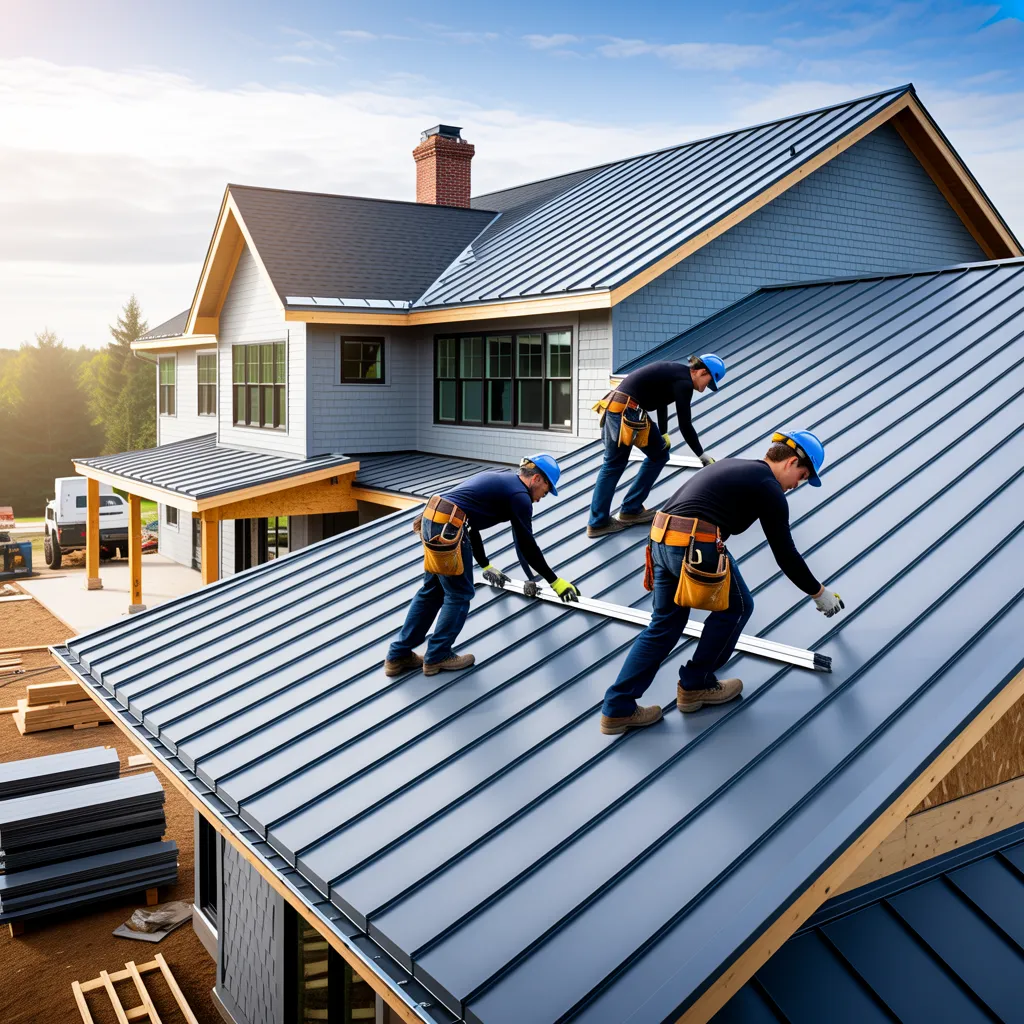
Why Investigate Flat Roof Alternatives for Your Structure?
When reviewing roofing options, property owners may find that flat roofing provides distinct advantages. One significant benefit is cost savings. Flat professional tips roofs typically require fewer materials than sloped designs, leading to lower installation expenses. Additionally, maintenance appears to be more straightforward, permitting for easier access during inspections and repairs.
Yet another perk can be found in durability. Many roofing options for flat surfaces, such as TPO or EPDM, are constructed to withstand harsh weather conditions, supplying extended protection. This toughness can minimize the rate of replacements or repairs, additionally boosting cost savings over time.
Additionally, level roofs can enable the fitting of eco-friendly technologies, such as solar panels or green roofs, which may help achieve sustained reductions in energy costs. Overall, flat roofing offers property owners a workable answer that integrates functionality, staying power, and potential economic benefits, making it a good choice for numerous structures.
Optimize Area Using Flat Roofs
Flat roofs offer outstanding potential for increasing functional area in both residential and commercial properties. Unlike conventional sloped roofs, flat roofs deliver a flexible space that can be utilized for various purposes. Rooftop gardens, patios, and outdoor lounges can enhance the visual design and practical use of a building, creating additional recreational spaces.
Across business environments, flat roofs may house HVAC systems, solar panels, or even green roofs, maximizing energy efficiency and sustainability. Additionally, the flat surface facilitates easier access and maintenance compared to sloped roofing systems.
This design also allows the development of vertical extensions, such as additional stories or rooftop offices, without damaging the current foundation of the property. By leveraging the flat roof's potential, property owners can substantially boost both their usable space and real estate worth, making it a smart decision for maximizing utility and satisfaction.
Affordable Flat Roofing Options
Although many roofing options exist, affordable flat roofing solutions stand out for their financial advantage and functionality. Various materials can be employed, including modified bitumen, PVC, and EPDM rubber, each offering special benefits at competitive prices. Modified bitumen, for instance, is recognized for its strength and uncomplicated installation, making it an appealing choice for price-sensitive property owners.
PVC roofs, while marginally costlier, deliver excellent energy efficiency and durability, in the end decreasing overall long-term costs. EPDM rubber is an alternative popular selection, appreciated for its resilience and minimal maintenance demands.
These solutions not only minimize initial expenses but also help in conserving energy, causing further savings on utility bills. By choosing the right flat roof solution, homeowners can attain a balance between cost and efficiency, guaranteeing a economically sound expenditure that fulfills their requirements successfully.
Effortless Maintenance for Your Flat Roof
Keeping a flat roof in good condition can be easy, especially when employing budget-friendly materials like modified bitumen, PVC, or EPDM rubber. These materials are constructed for longevity and require minimal attention, making them appropriate for property owners seeking lasting solutions. Regular evaluations are vital, enabling for the quick spotting of potential concerns such as pooling water or debris accumulation.
Periodic maintenance of the area guarantees that drains and gutters stay clear, preventing water damage and extending the roof's lifespan. Additionally, applying a protective coating can enhance resistance to UV rays and increase the roof's durability.
Instead of sloped roofs, flat-topped roofs allow convenient access for upkeep tasks, reducing the possibility of accidents during inspections or repairs. Ultimately, the straightforwardness of preserving a flat roof, along with the correct materials, can deliver important savings and security for property owners.
Power Efficiency and Long-term Environmental Care
Enhancing energy efficiency and sustainability is a significant benefit of flat roofing systems. These structures often include components that bounce back sunlight, reducing heat absorption and reducing cooling costs during warmer months. This feature leads to less reliance on air conditioning, which can greatly decrease energy usage and associated costs.
In addition, flat roofs can be supplied with insulation materials that amplify energy efficiency, supporting a agreeable home atmosphere. The ability to embed environmentally-conscious roof systems additionally strengthens sustainability. By reducing thermal concentrations in city zones, flat roofs facilitate improved air quality and minimal energy consumption.
Moreover, flat roofing is typically easier to maintain and fix, which can produce extended durability and reduced debris. Overall, the energy-efficient and eco-friendly aspects of flat roofing systems make them an appealing choice for environmentally aware property owners seeking to lower their carbon footprint while experiencing economic benefits.
Multiple Uses: Rooftop Vegetation and Solar Panels
Flat roofs offer unique opportunities for creative applications, including rooftop gardens and solar panels. Rooftop gardens not only enhance aesthetics but also provide insulation and promote biodiversity. Meanwhile, the installation of solar panels on flat roofs maximizes energy efficiency, capturing sunlight efficiently to minimize utility costs.
Rooftop Garden Advantages
Rooftop gardens present major advantages, smoothly merging nature into urban surroundings. These green zones strengthen visual charm, transforming drab rooftops into engaging getaways. They also provide essential environmental benefits, such as improving air quality and reducing urban heat via organic insulation. Moreover, rooftop gardens can serve as multi-use spaces, supplying areas for unwinding, community gatherings, or even urban farming. They foster biodiversity by constructing habitats for various species, promoting ecological stability across city environments. Further, these gardens can help address stormwater runoff, mitigating flooding risks. Overall, the adoption of rooftop gardens stands as a sustainable approach that amplifies both property value and the quality of life for urban residents.
Solar Panel Optimization
More homeowners and companies are recognizing the value of solar panels as a effective method for renewable energy generation. Flat roofs provide an perfect platform for solar panel installation due to their unobstructed exposure to sunlight. The positioning ensures peak output, enhancing energy absorption throughout the day. The uniform surface of flat roofing provides simpler maintenance and installation relative to sloped roofs. Incorporating solar panels can markedly decrease energy costs, promoting property sustainability. Besides that, integrating solar panels with rooftop gardens boosts insulation and mitigates urban heat, demonstrating the adaptability of flat roofing. Finally, the integration of solar energy with flat roofs promotes environmental sustainability and yields financial rewards.
Addressing Popular Myths Surrounding Flat Roofing?
What misunderstandings involve flat roofing? Many property owners believe that flat roofs are prone to leaks and require more maintenance than sloped roofs. However, modern substances and technology have considerably improved their durability and water resistance. Another common myth is that flat roofs lack aesthetic appeal. In reality, they present versatility in design and can accommodate rooftop gardens or solar panels, improving both functionality and appearance. Some also maintain that flat roofs cannot handle heavy snow or rain. In truth, proper drainage systems can effectively manage these conditions. Finally, there is a conviction that flat roofing is less energy-efficient. When installed correctly with adequate insulation, flat roofs can provide excellent energy savings. By debunking these myths, property owners can make informed decisions about the benefits and practicality of flat roofing solutions.
Often Posed Questions
What timeframe can you anticipate from a flat roof?
A flat roof can last between 15 to 30 years, relying on materials used, installation quality, and maintenance. Periodic inspections and timely work can lengthen its lifespan considerably beyond the average duration.
Determining the Ideal Options for Flat Roof Systems?
The best materials for flat roofing include PVC, TPO, EPDM rubber, and modified bitumen. Each presents unique benefits, such as durability, energy efficiency, and weather durability, making them preferred options for multiple applications.
Can I install a level roofing myself?
Undertaking a flat roof independently is feasible for those with competent skills and know-how. However, it requires deliberate planning, proper materials, and adherence to local building codes to warrant durability and safety throughout the installation process.
How do level roofs handle heavy rain?
Flat roofs handle heavy rain through effective drainage systems, including internal gutters and scuppers. Proper installation and maintenance are essential to avoid standing water and possible water-related harm, ensuring longevity and functionality in adverse weather conditions.
What Are the Most Effective Drainage Solutions for Low-Slope Roofs?
Effective water removal systems for flat roofs feature internal drains, scuppers, and tapered insulation. These approaches encourage water flow towards designated drainage points, stopping ponding and potential structural damage from accumulated water during heavy rainfall.